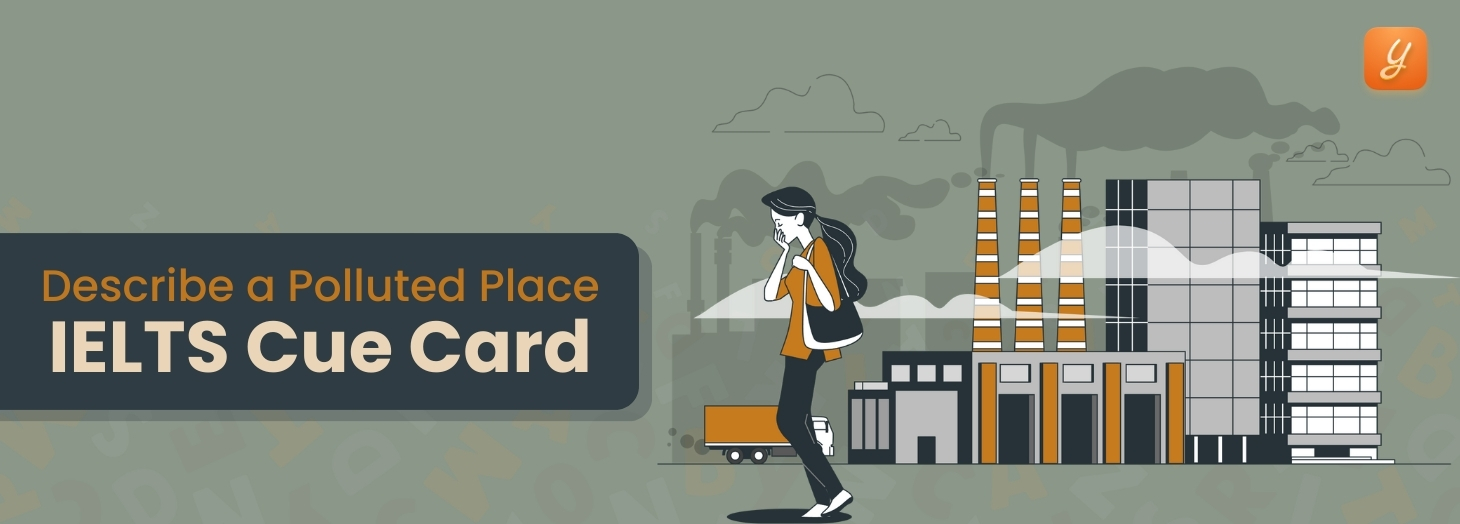
The International English Language Testing System (IELTS) is an essential assessment instrument for professionals, students, and individuals migrating to English-speaking countries globally. As part of the speaking module, the IELTS Cue Card creates an environment that encourages spontaneous and clear student replies. While candidates explore diverse subjects, their capacity to articulate viewpoints effectively becomes increasingly critical.
Here is an example of a Cue Card prompt: "Describe a polluted place you visited". We believe that providing a collection of model answers and insightful guidance will help examinees excel in this section. Ashiraj serves as a reliable partner on your IELTS pathway, delivering targeted support to elevate your performance along with thorough preparation resources such as tips, guides, and community backing.
What is an IELTS Cue Card?
An IELTS Cue Card is a requirement for the speaking component of the test. It functions as a prompt, giving the candidate a specific theme or task and instructing them to speak continuously for a set duration, typically 1 to 2 minutes.
These cards evaluate an examinee's capability to elaborate on concepts, convey opinions, and maintain logical flow under time constraints. Each cue card features relevant and pertinent facts or prompts to guide the candidate's answer.
This segment measures the candidate's spoken fluency, vocabulary breadth, grammatical precision, and coherence. Managing these prompts successfully is vital for achieving a strong score in the IELTS speaking exam.
|
Task |
Duration |
|
Preparation |
1 minute |
|
Speaking |
Up to 2 minutes |
Why are IELTS Cue Cards Important?
IELTS Cue Cards are crucial during the speaking segment of the examination because they test a candidate's adaptability and skill in communicating simply and effectively in English.
By covering a wide range of subjects from personal experiences to abstract ideas, cue cards mirror real-life communication scenarios, highlighting the test-taker's readiness to engage in English-speaking environments. Excelling in cue card tasks showcases verbal proficiency, flexibility, and analytical thinking.
Aspirants taking the test can gain significantly from reviewing cue card topics to strengthen their speaking skills and test-day confidence. Ashiraj stands as an invaluable companion throughout your IELTS journey, offering complete preparation tools, personalized mentoring, and a supportive network. Through Ashiraj, candidates can easily navigate various cue card themes, securing top performance in the speaking division and reaching their objectives.
Suggested: IELTS Academic vs IELTS General Exam
Sample Answer 1: Describe a Polluted Place You Visited Cue Card
Introduction
Pollution represents a critical worldwide challenge, influencing multiple aspects of our surroundings. Among the concerning examples is a specific location marked by heavy contamination, highlighting the seriousness of ecological decline.
Where is the place?
This contaminated location is situated within an industrial zone, defined by heavy manufacturing and urban expansion, which drastically worsens contamination levels.
When did you visit this place?
My trip to this area took place during a research expedition aimed at evaluating environmental degradation.
What kind of pollution did you see there?
The pollution appeared in several forms, comprising air contamination from factory emissions, water pollution via runoff, and soil deterioration caused by chemical leaks.
Explain how this place was affected:
The negative impacts were obvious; the atmosphere was heavy with smog, the water appeared murky and corrupted, and the ground was infertile and sterile, reflecting intense environmental strain.
Conclusion
This contaminated site acts as a sobering reminder of the severe outcomes tied to unmitigated industrial growth and city development. Swift actions are required to reduce pollution and protect our globe for upcoming generations.
Sample Answer 2: Describe a Polluted Place You Visited Cue Card
Introduction
Pollution serves as a major obstacle in ecological matters, causing damage to habitats across the globe. In this context, a clear representation of pollution's harmful consequences is a specific site scarred by adverse effects.
Where the place is?
This contaminated area is located inside a bustling city, where the intersection of urban activities and industrial operations has created a widespread pollution dilemma.
When did you visit this place?
My encounter with this polluted spot took place during a recent journey to document widespread ecological damage in city environments.
What kind of pollution did you see there?
The pollution found at this location was diverse, including air contamination from vehicle exhaust, water pollution via sewage output, and noise pollution resulting from industrial works.
Explain how this place was affected?
The consequences of contamination were tangible; the air was filled with pollutants, the water was polluted and devoid of aquatic life, and persistent noise interfered with the natural balance of the surroundings.
Conclusion
This contaminated zone stands as a striking proof of the pressing need for thorough environmental policies and sustainable practices to lessen pollution's detrimental impacts on earth's habitats. Immediate steps are essential to shield our environment for future generations.
Suggested: What Is IELTS Exam Fees in India?
Sample Answer 3: Describe a Polluted Place Cue Card
Introduction
Positioned inside an industrial sector, this contaminated location exemplifies the effects of human actions on nature, demonstrating the severe results of uncontrolled pollution.
Where is the place situated?
This contaminated location is situated among factories and city infrastructure, surrounded by the constant activity of industrial work and urban growth.
When did you visit this place?
My trip to this impacted site took place during an environmental assessment to record the level of pollution in the region.
What kind of pollution did you see there?
The atmosphere was dense with hazardous fumes, the streams polluted by factory waste, and the scenery ruined by trash and chemical contaminants, producing a habitat hostile to living things.
Explain how this place was affected.
The ecosystem suffered the greatest impact from the pollution, featuring reduced biodiversity, poisoned soil and water, and negative health consequences for animals and nearby populations.
Conclusion
In summary, the decline of this once-prosperous ecosystem highlights the urgent necessity for thorough actions to tackle pollution and its widespread effects, lest we further endanger the health of our world and all its residents.
Sample Answer 4: Describe a Polluted Place Cue Card
Introduction
One obvious problem in the wide range of environmental issues is pollution, clearly demonstrated by a specific location deeply rooted in industrial work and neglect.
Where the place is?
This contaminated zone is located within the urban landscape, positioned among factories, warehouses, and the continuous noise of machinery.
When did you visit this place?
My encounter with this contaminated site was part of a research trip to comprehend the effects of human actions on the environment.
What kind of pollution did you see there?
The air hung heavy with smog, the water channels blocked with chemical discharge, and the land damaged by industrial runoff and discarded garbage.
Explain how this place was affected?
The effects of pollution were clear, featuring reduced biodiversity, poisoned resources, and an approaching public health emergency impacting wildlife and surrounding communities.
Conclusion
In summary, the deterioration observed in this contaminated landscape emphasizes the need for joint action to fight pollution and protect the health of our environment for future generations.
IELTS Speaking Part 3: “Describe a Polluted Place Cue Card ” Follow-Up Questions
IELTS Speaking Part 3: “Describe a Polluted Place Cue Card ” Follow-Up Questions
1. Can you elaborate on the specific sources of pollution in this area?
Answer: Certainly, the primary sources of pollution in this locale stem from industrial activities such as manufacturing, processing, and chemical production. Additionally, vehicular emissions and improper waste disposal practices contribute significantly to the pollution burden, exacerbating the environmental degradation observed in the area.
2. How do local authorities manage or attempt to mitigate the pollution in this area?
Answer: Local authorities have implemented a range of measures to address pollution, including stricter regulations on emissions, wastewater treatment initiatives, and public awareness campaigns promoting responsible waste management. However, enforcement challenges and the complex nature of industrial pollution often hinder practical mitigation efforts, necessitating ongoing collaboration and innovation.
3. Have any notable environmental initiatives or community-driven efforts to address pollution in this area?
Answer: Several grassroots initiatives and environmental advocacy groups have emerged to tackle pollution in the area. These efforts range from community clean-up drives and tree-planting campaigns to lobbying for stricter environmental regulations and promoting sustainable practices among local businesses and residents.
4. What immediate health risks are faced by individuals living or working near this polluted area?
Answer: Individuals near polluted areas are at risk of developing respiratory ailments, skin irritations, and other health issues due to exposure to air and water pollutants. Furthermore, long-term exposure to contaminants may increase the likelihood of developing chronic conditions such as cardiovascular disease and certain types of cancer.
5. How does pollution in this area impact the local ecosystem and biodiversity?
Answer: Pollution exerts a profound impact on the local ecosystem and biodiversity, leading to habitat degradation, species decline, and disruptions in ecological processes. Contaminated waterways, for instance, can harm aquatic life, while air pollution may affect plant health and contribute to the decline of pollinators, which is crucial for ecosystem stability.
6. Are there any economic consequences associated with pollution in this area?
Answer: Indeed, pollution in the area has significant economic ramifications, ranging from decreased property values and tourism revenue to increased healthcare costs and lost productivity due to illness and absenteeism. Moreover, nearby industries may face regulatory fines and litigation expenses related to environmental compliance violations.
7. How do residents and businesses in this area cope with the challenges posed by pollution?
Answer: Residents and businesses employ various strategies to cope with pollution, such as investing in air purifiers, utilising water filtration systems, and implementing sustainable practices to reduce their environmental footprint. Additionally, some businesses may explore alternative production methods or relocate to less polluted areas to mitigate the impact of pollution on their operations.
8. Are there any ongoing research or monitoring efforts to assess the extent of pollution and its effects in this area?
Answer: Yes, ongoing research and monitoring efforts play a crucial role in assessing the extent of pollution and its effects in the area. Environmental agencies, academic institutions, and non-profit organisations often collaborate to collect data on air and water quality, biodiversity, and human health indicators to inform policy decisions and intervention strategies.
9. What role can individuals and communities play in addressing pollution in this area?
Answer: People and communities can take on a vital role in tackling pollution by championing sustainable practices, taking part in clean-up drives, and making industries and authorities responsible for environmental care. Furthermore, spreading education and awareness about the effects of pollution empowers individuals to make well-informed decisions and spark positive change within their neighborhoods.
10. Considering the difficulties created by pollution in this region, what are the prospects for long-term environmental sustainability and restoration efforts?
Answer: Despite the obstacles, the region holds encouraging prospects for long-term environmental sustainability and restoration work. Joint efforts involving government bodies, businesses, and civil society groups are increasingly concentrating on deploying innovative solutions, building community resilience, and healing damaged ecosystems to secure a healthier and more sustainable future for everyone.
Suggested: Everything You Need to Know about IELTS Results
Tips to Answer IELTS Cue Cards
Here are some tips to effectively answer the IELTS cue card:
- Understand the question: Read the cue card thoroughly and make sure you grasp the topic and the precise instructions. If any part seems unclear, ask the examiner for clarification.
- Plan your answer: Before you start speaking, take a moment to organize your thoughts and map out your reply. Decide on the key points you wish to cover and the organization of your answer.
- Use the outline: The IELTS cue card generally supplies an outline to direct your response. Stick closely to this outline and address each section methodically. This will assist you in delivering a clear and well-organized answer.
- Provide relevant details: Offer pertinent information and examples to back up your points while answering. This will make your response more informative and engaging.
- Use appropriate vocabulary: Try to use a variety of suitable words related to the topic. This will showcase your command of the language and earn you higher scores.
- Mind your grammar and pronunciation: Pay attention to your grammar and pronunciation. Speak clearly and accurately to ensure the examiner can understand you without difficulty.
- Maintain fluency: Strive to speak smoothly without excessive pauses or filler words. Practice speaking in a natural manner, and try to link your ideas together seamlessly.
- Manage your time: Keep an eye on the time and pace your response appropriately. Make certain you have enough time to hit all the points without rushing or going over the time limit.
- Be confident: Keep an assured and positive mindset throughout your answer. This will help you present your response more successfully and leave a stronger impression on the examiner.
- Practice: Practicing with sample cue cards and recording your answers can help you pinpoint areas for growth and boost your confidence for the exam.
Remember, the IELTS cue card evaluates your capacity to speak on a given topic coherently and effectively. By sticking to these tips, you can raise your chances of presenting a well-organized and impactful response.
Conclusion
In summary, the IELTS cue card is a vital component of the speaking test, and preparing for it with the correct strategy is essential. To perform well, concentrate on these tips:
- Understand the question
- Plan your answer
- Use the given outline
- Include relevant details and examples
- Use appropriate vocabulary
- Speak fluently and accurately
- Manage your time
- And most importantly, practise regularly
By following these steps, you will improve your chances of giving a well-structured and impressive response.
Ashiraj provides complete coaching and support for academic pursuits and IELTS exam preparation, including IELTS, to help aspiring individuals achieve their objectives and make meaningful contributions to their communities.
|
Read More on IELTS Cue Cards |
|
|---|---|
| Describe a serious environmental problem in your country - IELTS Cue Card | Describe the person in your family who you most admire - IELTS Cue Card |
| Describe a small business that you would like to open - IELTS Cue Card | Describe a popular musical instrument in your country - IELTS Cue Card |
| Describe a skill you can teach others - IELTS Cue Card | Describe an event you felt unhappy about - IELTS Cue Card |
| Describe something that you want to learn more about - IELTS Cue Card | Describe a film or TV program that made you laugh - IELTS Cue Card |
| Describe a landscape in your country - IELTS Cue Card | Describe a bicycle/motorbike/car trip that is interesting - IELTS Cue Card |
| Describe a teacher from your past that you remember - IELTS Cue Card | Describe something you own which is very important to you - IELTS Cue Card |
Frequently Asked Questions
What are the leading causes of pollution in the area?
<p>The primary causes of pollution in the area include industrial emissions, vehicular exhaust, improper waste disposal, agricultural runoff, and urbanisation. These activities release various pollutants into the air, water, and soil, contributing to environmental degradation and posing risks to human health and ecosystems.</p>
How does pollution in the area impact public health?
<p>Pollution in the area can have significant adverse effects on public health, including respiratory problems, cardiovascular diseases, neurological disorders, and an increased risk of certain cancers. Exposure to pollutants such as particulate matter, volatile organic compounds, heavy metals, and pesticides can compromise the respiratory and immune systems, leading to a range of health issues.</p>
How can businesses contribute to reducing pollution in the area?
<p>Businesses can contribute to reducing pollution by implementing cleaner production processes, investing in pollution control technologies, adopting sustainable practices such as recycling and waste reduction, and adhering to environmental regulations. Additionally, businesses can support community initiatives aimed at environmental conservation and participate in corporate social responsibility programs focused on mitigating their environmental impact.</p>
What role do government regulations play in addressing pollution in the area?
<p>Government regulations play a crucial role in addressing pollution by setting emission standards, enforcing environmental laws, monitoring pollution levels, and implementing policies to promote sustainable development. Through regulatory frameworks and enforcement mechanisms, governments can incentivise industries to reduce their pollution footprint, protect natural resources, and safeguard public health and the environment.</p>
You Might Also Like
Pharmacy (M.Pharm) Abroad: Fees, Top Universities & Job Scope
Pharmacy is the science and technique of preparing and dispensing drugs. The composition of various courses under Pharmacy are related to manufacturing, monitoring, regulating, developing and testing drugs and pharmaceutical and food products.Pharmacy as a Masters course may be done by people who ha
Read ArticleMasters in Industrial Engineering Abroad: Fees, Top Universities & Job Scope
Industrial Engineering is a branch of engineering dealing with the optimization of complex processes or systems. Its underlying concepts overlap considerably with certain business-oriented disciplines such as Operations Management, but the engineering side tends to emphasize extensive mathematical p
Read ArticleMasters in Financial Engineering Abroad: Fees, Top Universities & Job Scope
Financial Engineering is a multidisciplinary field involving financial theory, engineering methods, tools of Mathematics and Programming. It uses mathematical techniques to solve financial problems and is sometimes referred to as quantitative analysis. Also known as Financial Mathematics, Mathematic
Read Article